
What the literature says
A review published in 2012 by Alper, Stajić and Gill collected nineteen deaths between 1990 and 2008 that were temporally associated with ibogaine, between 1.5 and 76 hours after it was taken. In 12 of the 14 cases with enough post-mortem information, advanced pre-existing illness, mostly of the heart, or commonly misused drugs explained the death or contributed to it. The authors also pointed to seizures during alcohol or benzodiazepine withdrawal, and to people taking plant preparations without knowing their strength. The count has kept growing: 48 deaths reported worldwide by April 2026. Many fit the same pattern: a heart nobody checked, other drugs nobody asked about, nobody watching a monitor. Not all of them do, and the numbers are below.
The mechanism
This page is about the deaths. For how we protect the heart before and during a ceremony, read Iboga and the heart.
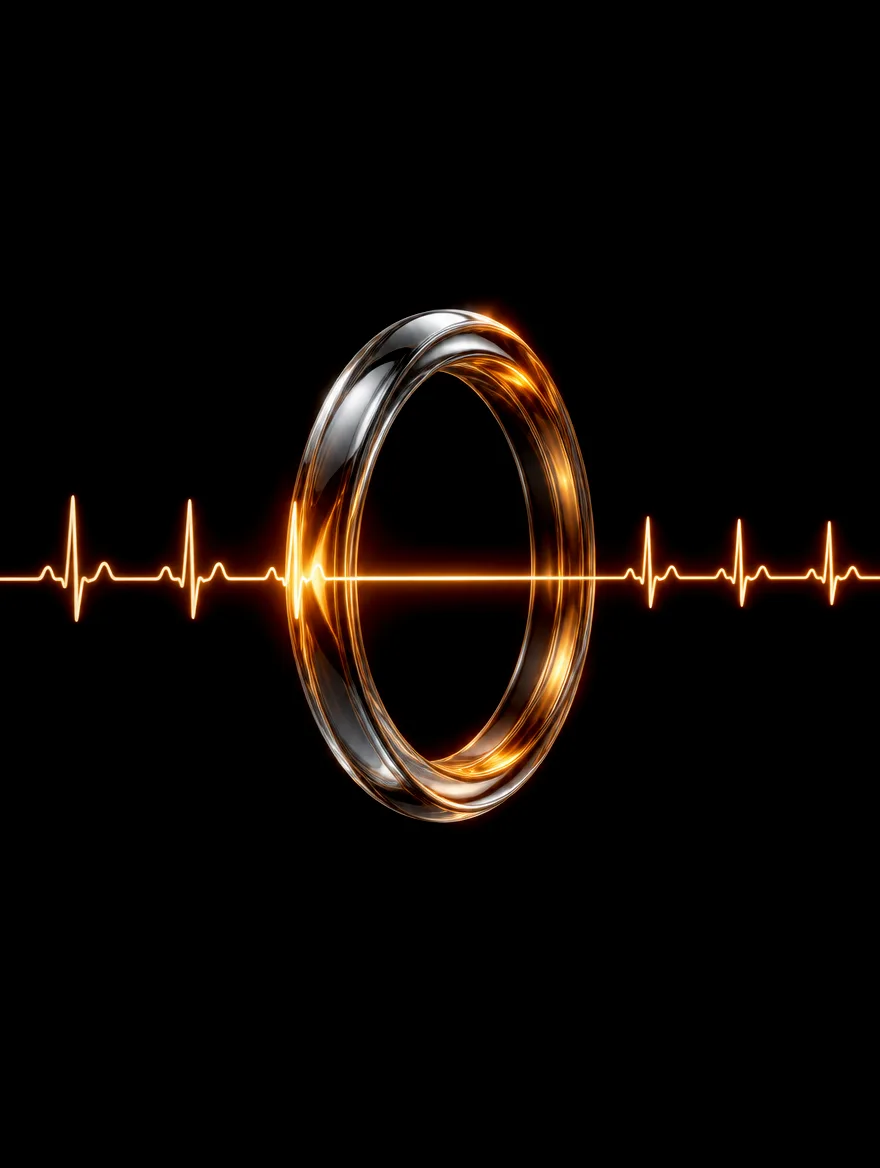
Ibogaine blocks hERG potassium channels in the heart, which lengthens the QT interval and slows the heart. A lengthened QT is a setup for a specific arrhythmia, torsades de pointes, which can degenerate into cardiac arrest. Low potassium and magnesium, dehydration from vomiting, other QT-lengthening drugs, and an underlying conduction problem each push in the same direction. Stack two or three of them and a night that would have been uncomfortable becomes lethal. Remove them and the risk becomes manageable. That is the whole logic of a protocol.
Stack the factors. Tap what was present that night, then choose who is in the room. Alone, the factors add up on the trace. With the Bwiti Life medical team, each one is caught before the first dose.
QTc 460 ms55 bpm
The five causes behind almost every death
- Undetected heart disease. A long QT interval, a conduction block, a weak heart. Found by an ECG before travel, in ten minutes.
- Drug interactions. SSRIs, antipsychotics, methadone, certain antibiotics. Found by an honest medication list and a physician who reviews it.
- Opioids in the system. Ibogaine and opioids around the same time are a dangerous combination, and detox patients are exactly the people at risk. Handled by a planned interval, stabilization days and the physician deciding the timing.
- Electrolytes. Vomiting and fasting lower potassium and magnesium. Handled by bloodwork before and IV electrolytes and magnesium during.
- Nobody in the room. An arrhythmia is treatable when someone sees it on a monitor and has IV access and a plan. It is fatal when the person is alone.
What prevents them
At Bwiti Life: an ECG and a blood panel reviewed by the physician before you travel, a medication review with tapers planned with your own doctor, IV access placed before any dose, magnesium and electrolytes per protocol (magnesium sulfate is the first-line treatment for torsades, and potassium at the high end of normal is what keeps a long QT from turning into it, so both are in place before they are needed), cardiac telemetry through every ceremony, a physician in the palapa all night, doses set and paced in steps by a practitioner with more than fifteen years of experience, the right to stop at any time, and a hospital twenty minutes away with a rehearsed emergency plan. Some applicants are declined or postponed after screening. The full protocol is on the Safety page.
How to read a provider
Ask whether you can book without sending an ECG. Ask who is in the room at three in the morning and what their license is. Ask what happens if your heart rhythm changes. A provider who cannot answer the first question has not understood how people die with this medicine. Walk away.
The honest framing
Properly screened and supervised, an iboga ceremony is run as a monitored medical event, and deaths are rare. Rare is not never: in a 2026 analysis of 11 clinics, 6 of 19,071 people died within three days, all of them in treatment for opioids. Unsupervised, it is one of the more dangerous substances a person can take. The medicine is the same in both sentences. The conditions are not.
Questions people ask
Has anyone died at Bwiti Life?
No. Screening, the protocol and the practitioner's pacing exist so that this remains true, and we publish the protocol so that you can hold us to it.
What is the death rate of ibogaine?
An older estimate, from data between 1989 and 2006, was about one death in 427 treatments. A 2026 analysis of 19,071 people treated in 11 clinics, mostly between 2016 and 2026, found 6 deaths within 72 hours, about 0.3 per 1,000; all 6 were men in treatment for opioids, and none of the 8,689 people treated for other reasons died. That analysis is a preprint, not yet peer reviewed, and the clinics reported their own data. The rate depends on the setting and on who is treated, not on the molecule alone.
Is the root bark safer than ibogaine HCl?
Neither is safe without screening and monitoring; both act on the heart in the same way. The bark given in paced steps allows a practitioner to watch the response before giving more, which is a safety feature, not a guarantee.
I have a healthy heart. Do I still need the ECG?
Yes. The conditions that matter, a long QT above all, produce no symptoms and are only visible on an ECG. Feeling healthy is not a test result.
Keep reading
 The programSafety and medical protocolThe risks, the screening, what happens around your mat, and who we decline.13 min read
 Mind and bodyIboga and ibogaine side effectsThe expected, the temporary, and the dangerous one, with how long each lasts.8 min read
 Mind and bodyHow iboga worksNoribogaine, receptors, neuroplasticity, the heart, and the key studies.19 min read
 The programIboga vs ibogaineRetreat or clinic? The whole root or the extract, side by side.10 min read