Veterans and first responders
A medically assisted iboga therapy held by a former U.S. Navy SEAL, trained in Gabon at Bwiti House by a tenth-generation Missoko Bwiti shaman. For people who served and came home carrying more than they left with. Three dedicated dates, eight guests each.
Free guide · PDF
Putting It Down
Veterans: the ceremony, the numbers, the research and how to prepare.
A short film · 2 minutes
A soldier leaves his family, comes home with the war still in him, and sits with the medicine. Through the night Michael guides him back to the house he grew up in, to the boy he once was, and through the moments that shaped him. Then home, carrying that boy with him.
In 2024, 6,488 U.S. veterans died by suicide, about 17 every day (U.S. Department of Veterans Affairs). If this film moves you, share it with someone who served.
Why veterans come
Iboga is not a sedative and not a high. It is a long, lucid night in which the mind replays what it has stored, with the body kept safe by a medical team beside your mat. Guests who served describe three things.
The ceremony night is followed by a processing day in which most guests sleep deeply for the first time in years. Sleep, heart-rate variability and resting heart rate are measured before and after, so the change is visible, not just felt.
Iboga tends to bring memories forward with distance: you see the event without being inside it. Our practitioners guide the life review during the night, and in the days after the psychologist helps you decide what to do with what you saw.
For guests who lean on alcohol or medication to get through, the detox program adds days and medical care around the ceremonies. Iboga is known for interrupting the cycle; the three months of follow-up are for keeping it interrupted.
Living with a traumatic brain injury from a blast, a breach or years of service? See iboga after a brain injury: what the Stanford study found, the qEEG brain map before and after, and how our physician prepares your stay.
Traditional Missoko Bwiti Ceremony vs Ibogaine Clinics
Traditional Missoko Bwiti Ceremony, practiced at centers such as Bwiti Life and Bwiti House, places iboga within a living spiritual tradition. Ibogaine clinics, such as Beond and Ambio, organize treatment within a clinical framework. At Bwiti Life, whole root bark, traditional practitioners and ceremony shape the experience alongside medical supervision. Move through the four stages below to explore the differences in setting and support.
Veterans · the two routes
Before the night
Whole Tabernanthe iboga root bark, with the alkaloids that occur together in the plant: ibogaine alongside ibogaline, ibogamine and tabernanthine. A practitioner trained in Gabon gives it in steps through the night and adjusts to what he sees in front of him.
Isolated ibogaine administered under a medical protocol. Dosing and timing depend on the individual assessment and clinic; some programs include additional doses when clinically appropriate.
As it comes on
A fire, Missoko Bwiti Music and sacred Songs, and practitioners who stay in the room until morning. The physician and the cardiac telemetry are there for the body; the practitioners are there for the night itself.
A clinical treatment setting with medical staff and cardiac monitoring. Room arrangements, therapeutic support and additional practices depend on the provider and program.
The long hours
Memories, emotions and personal imagery may arise. Missoko Bwiti practitioners help you explore the experience within the tradition, with attention to your life and the questions you brought to ceremony.
Introspection and emotional experiences can also be part of clinical treatment. Beond and Ambio describe coaching or therapeutic support to help guests process the experience; the approach varies by program.
And the months
You tell the practitioners what you saw, and they read it back in the tradition's terms. Then a processing day, an integration day, and three months of scheduled calls with people who were in the room.
Medical observation and recovery are followed by integration support. Beond describes ongoing coaching and follow-up; Ambio describes continued work with a coach after departure. The schedule and format vary by program.
Both approaches require careful medical screening and supervision. This comparison focuses on the cultural setting and support around the experience. The ceremony details describe Bwiti Life; other providers’ programs vary. Read iboga vs ibogaine and the safety protocol.
On The Joe Rogan Experience
A Marine's answer, in his own words, to the question every veteran gets asked. Below: who holds a veterans' retreat at Bwiti Life. More moments in Joe Rogan on ibogaine.
Clips from The Joe Rogan Experience, used with permission. Joe Rogan and his guests speak about ibogaine in general; they do not refer to or endorse Bwiti Life.
The Joe Rogan Experience ·
Joe Rogan Like, did you get counseling for that? Did you, like, how did you…
Dakota Meyer I went to Mexico.
Joe Rogan What was in Mexico?
Dakota Meyer Um, I went down and I did ibogaine. …
Joe Rogan How was that?
Dakota Meyer It gave me my life back. I mean, it gave me my life back.
Dakota Meyer, a U.S. Marine and Medal of Honor recipient, tells Rogan where he went after coming home from war.
Who holds it
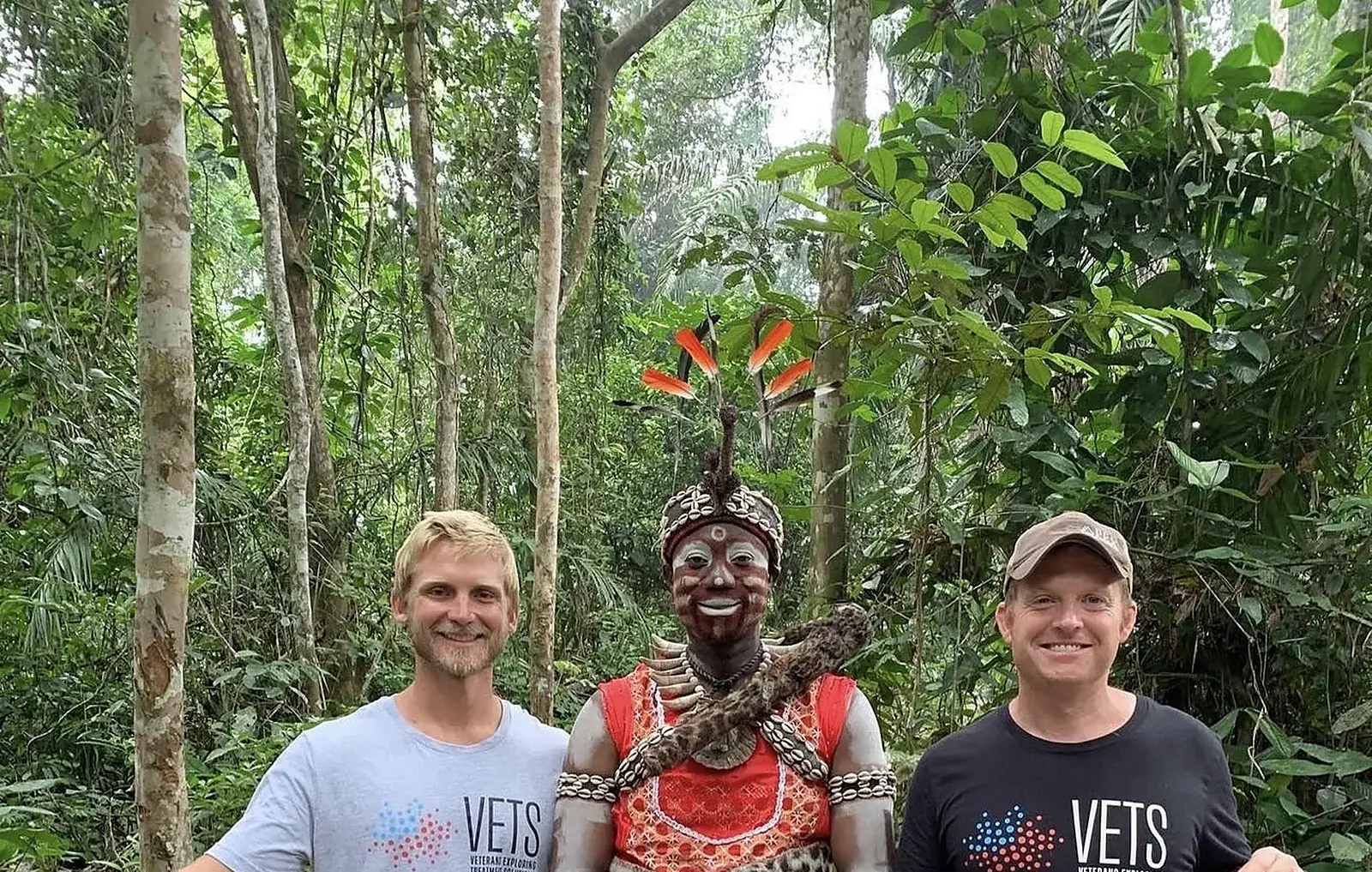
Cory served ten years as a U.S. Navy SEAL and lived the transition out himself before he found iboga. He is initiated in the Bwiti tradition in Gabon and a graduate of the Bwiti House Training Program. See photographs from his training in Gabon. He leads the veterans' retreats with Michael, and the medical team never leaves the palapa.
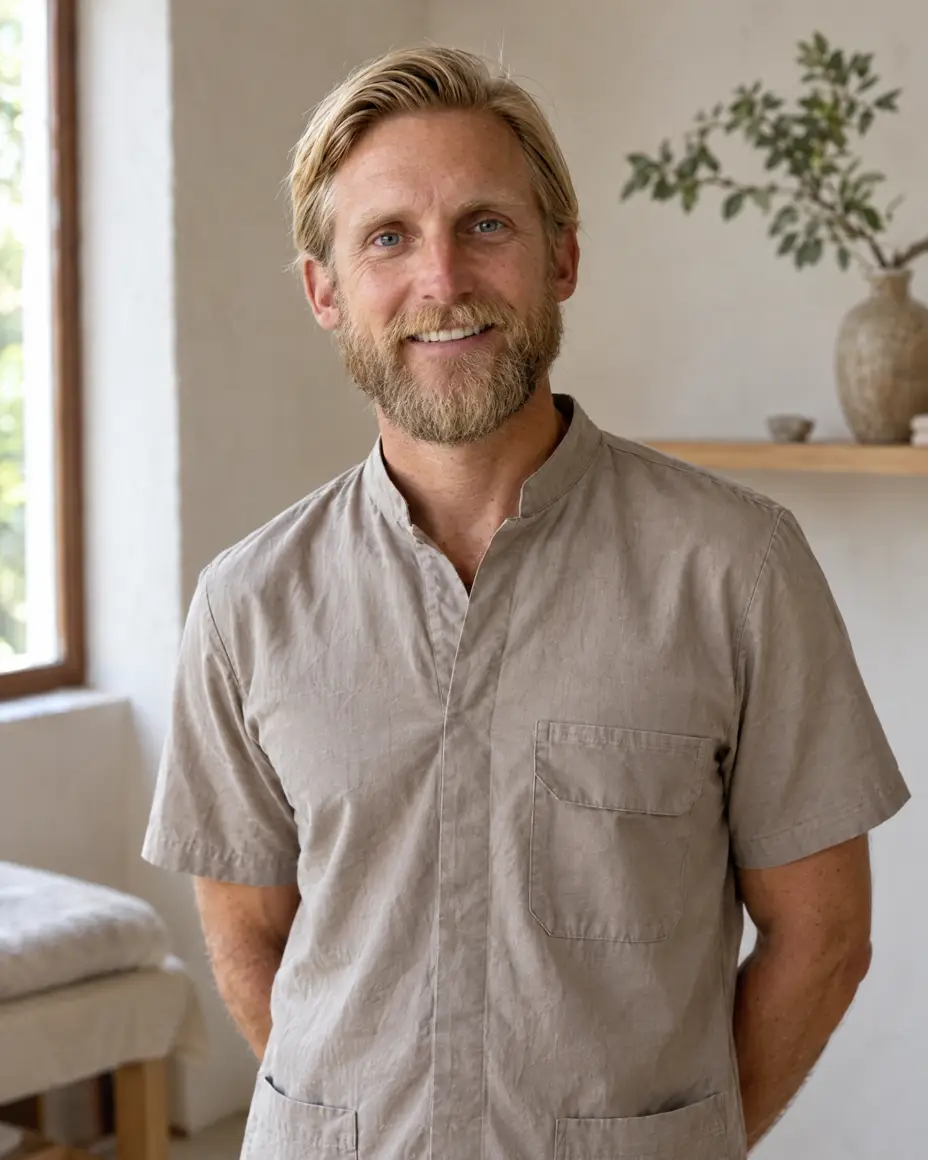
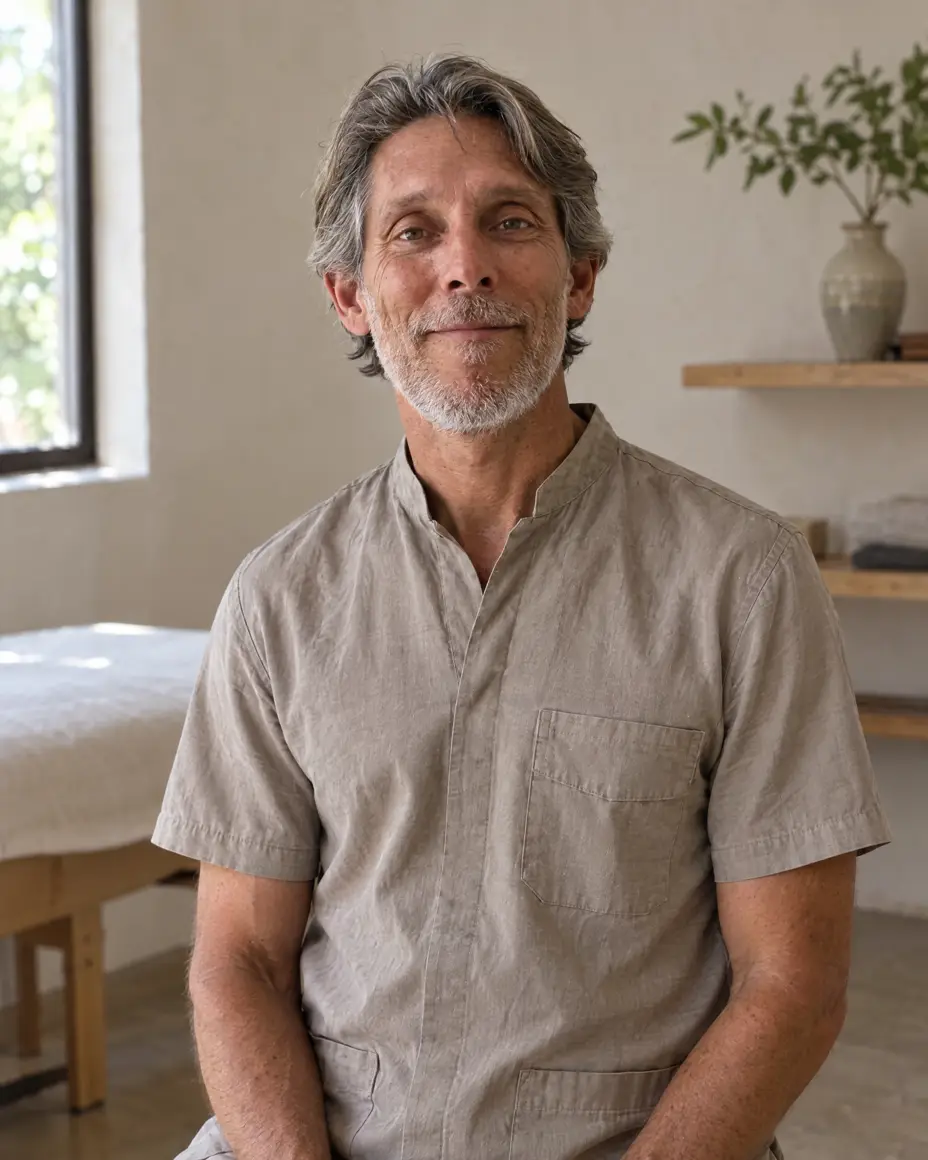


Cory Poolman, former U.S. Navy SEAL, on the Iboga Provider Training at Bwiti House in Gabon (2024)
“It gave me these tools. It gave me these teachings. And it gave me what I needed to change my life.”
After ten years as a SEAL he was struggling with depression, anxiety and physical problems. He went to Gabon to work with Moughenda Mikala, the Bwiti tradition and iboga. Today he holds the veterans' retreats at Bwiti Life. Edited from his 2024 video for the Bwiti House channel.
Book a free call with our teamFeatured in Task & Purpose · August 2022
“Iboga will show you your mind, and the Bwiti teachings will show you how to reprogram it.”
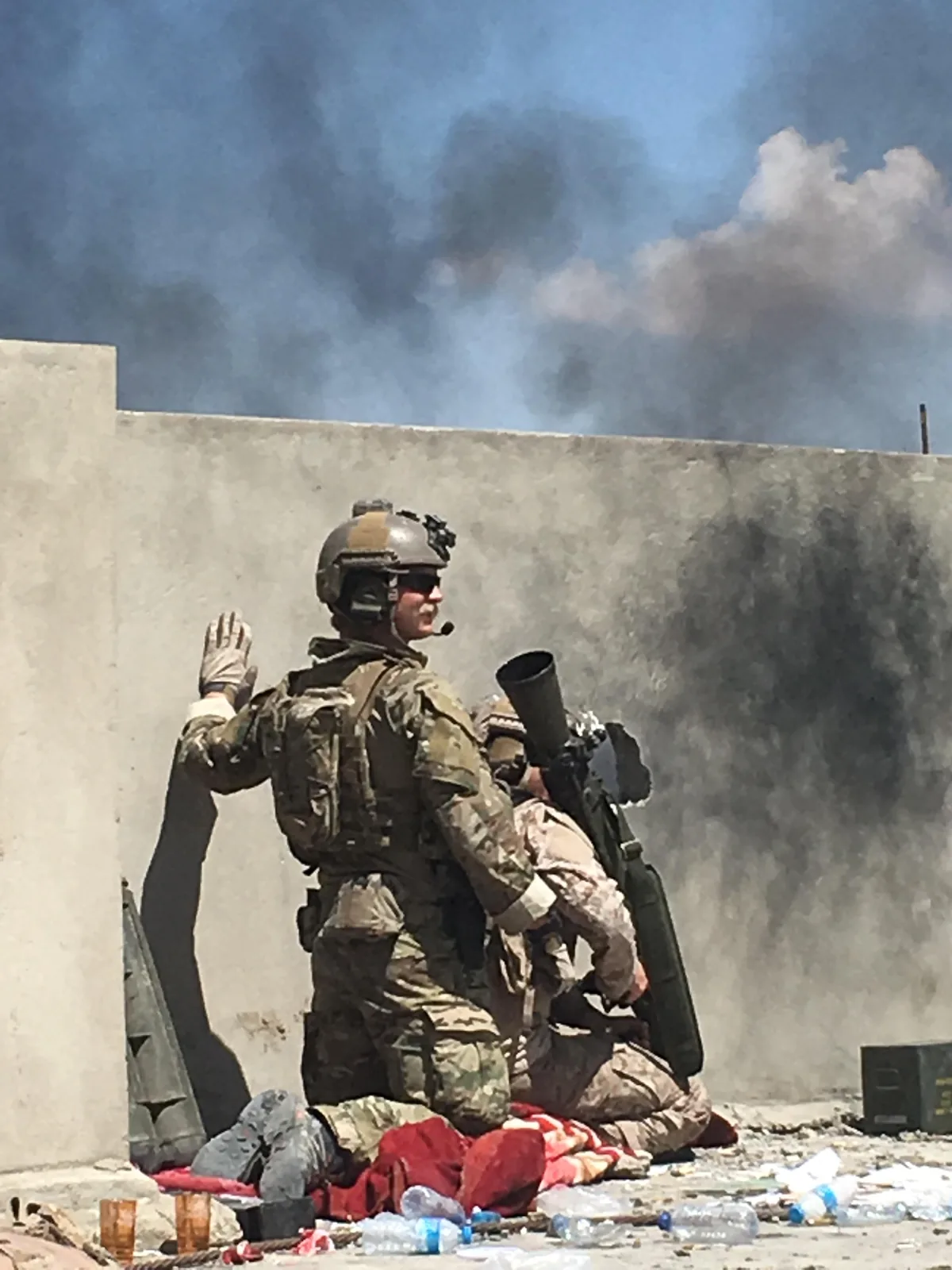
Before iboga: ten years as a U.S. Navy SEAL
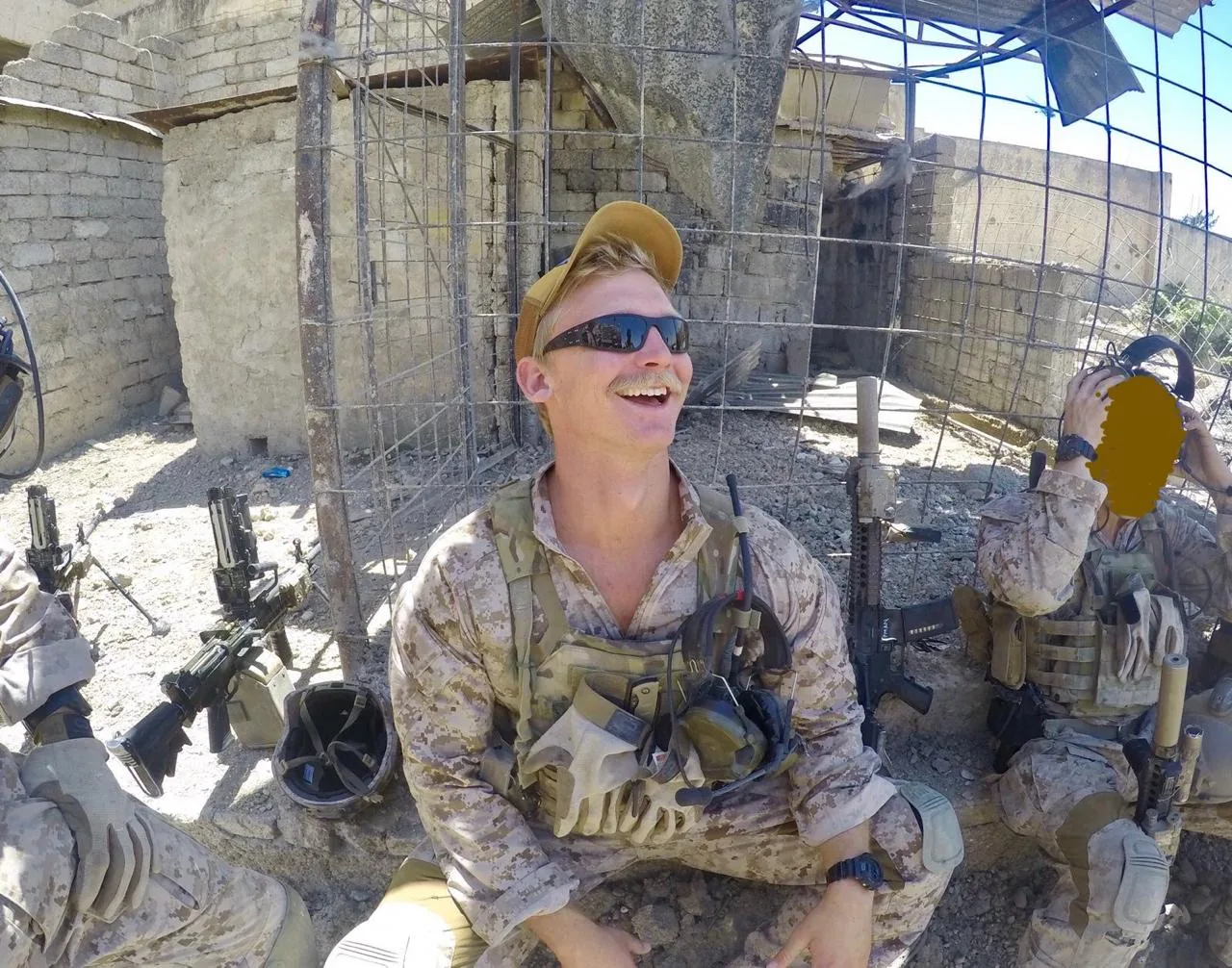
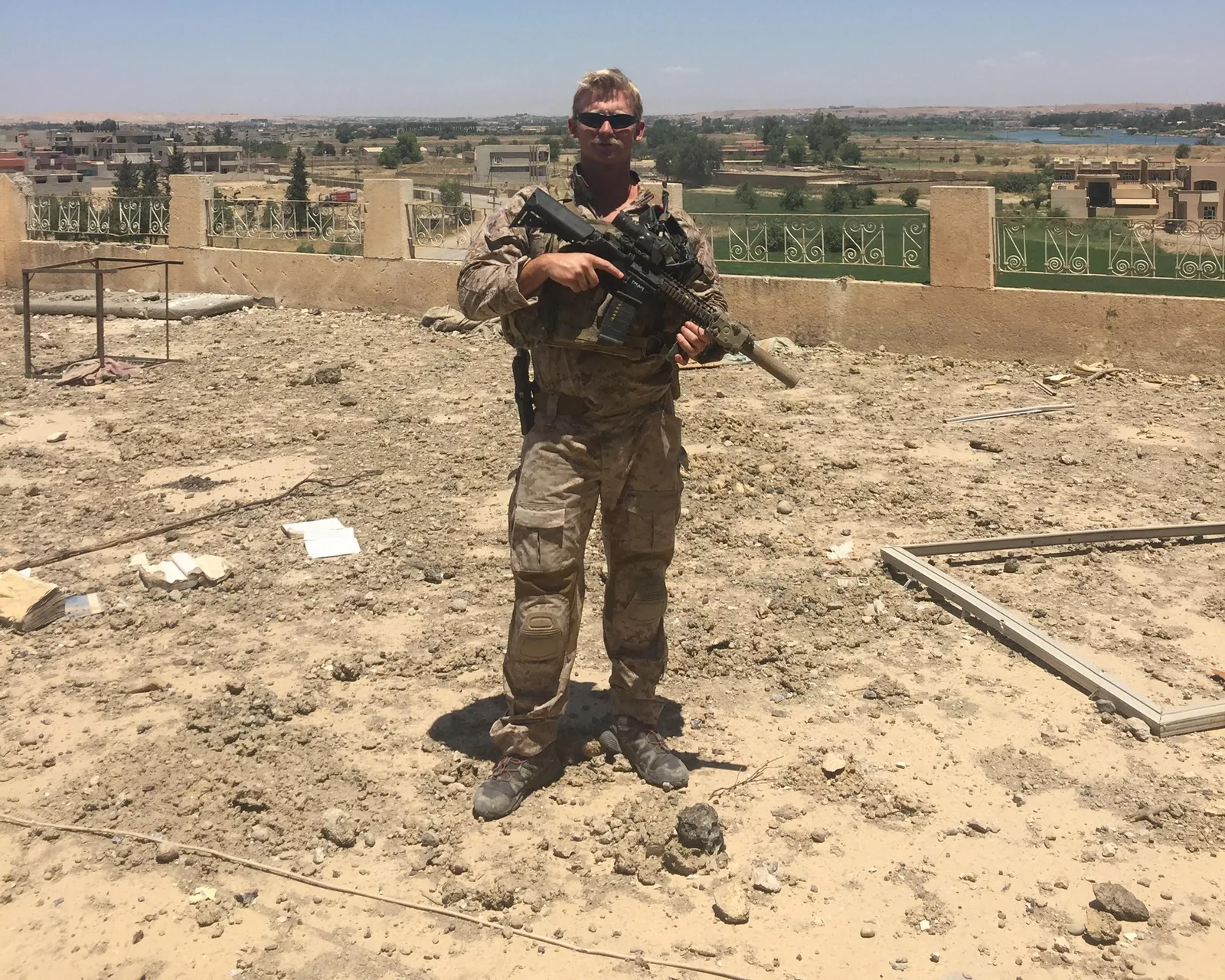
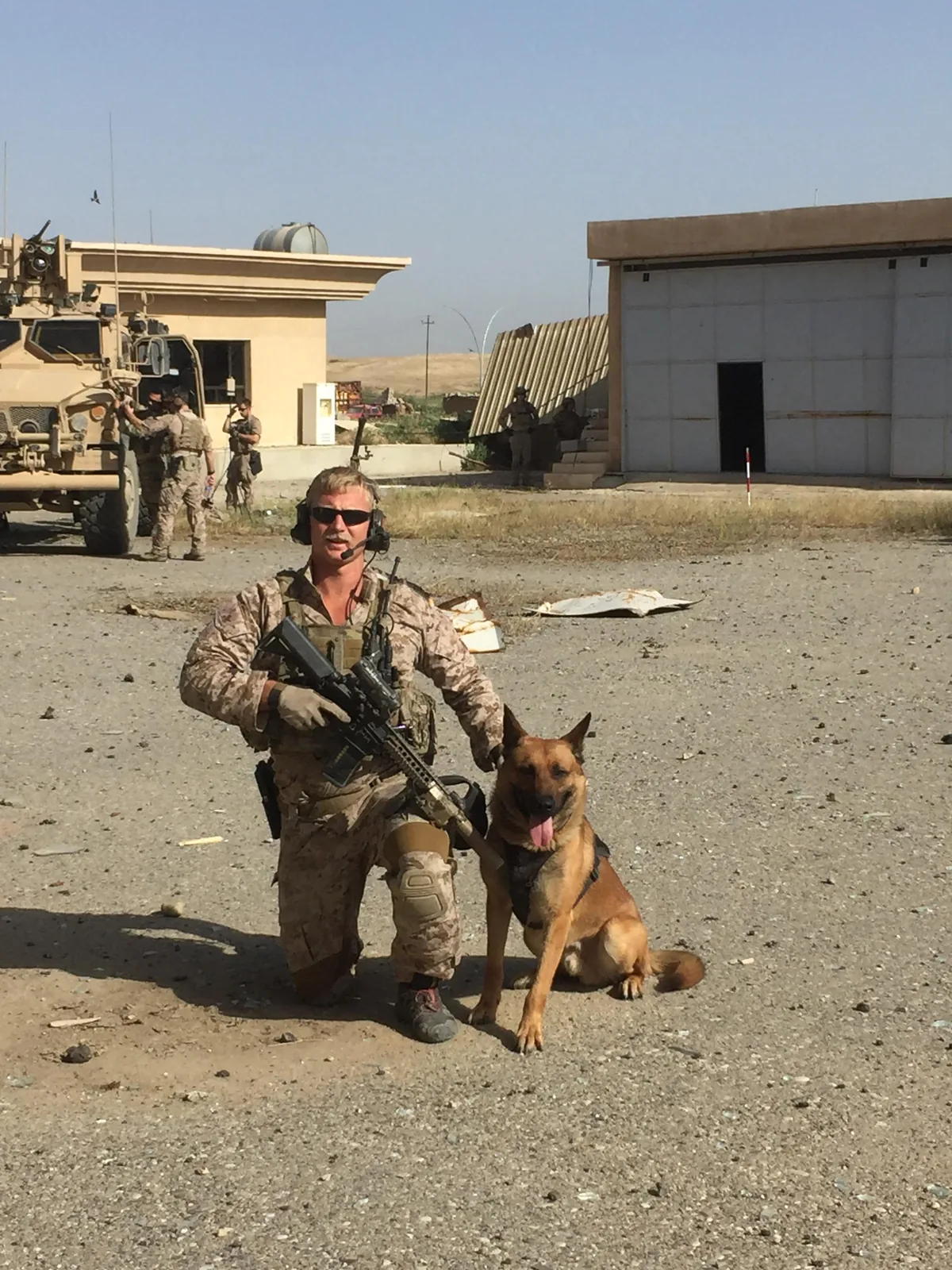
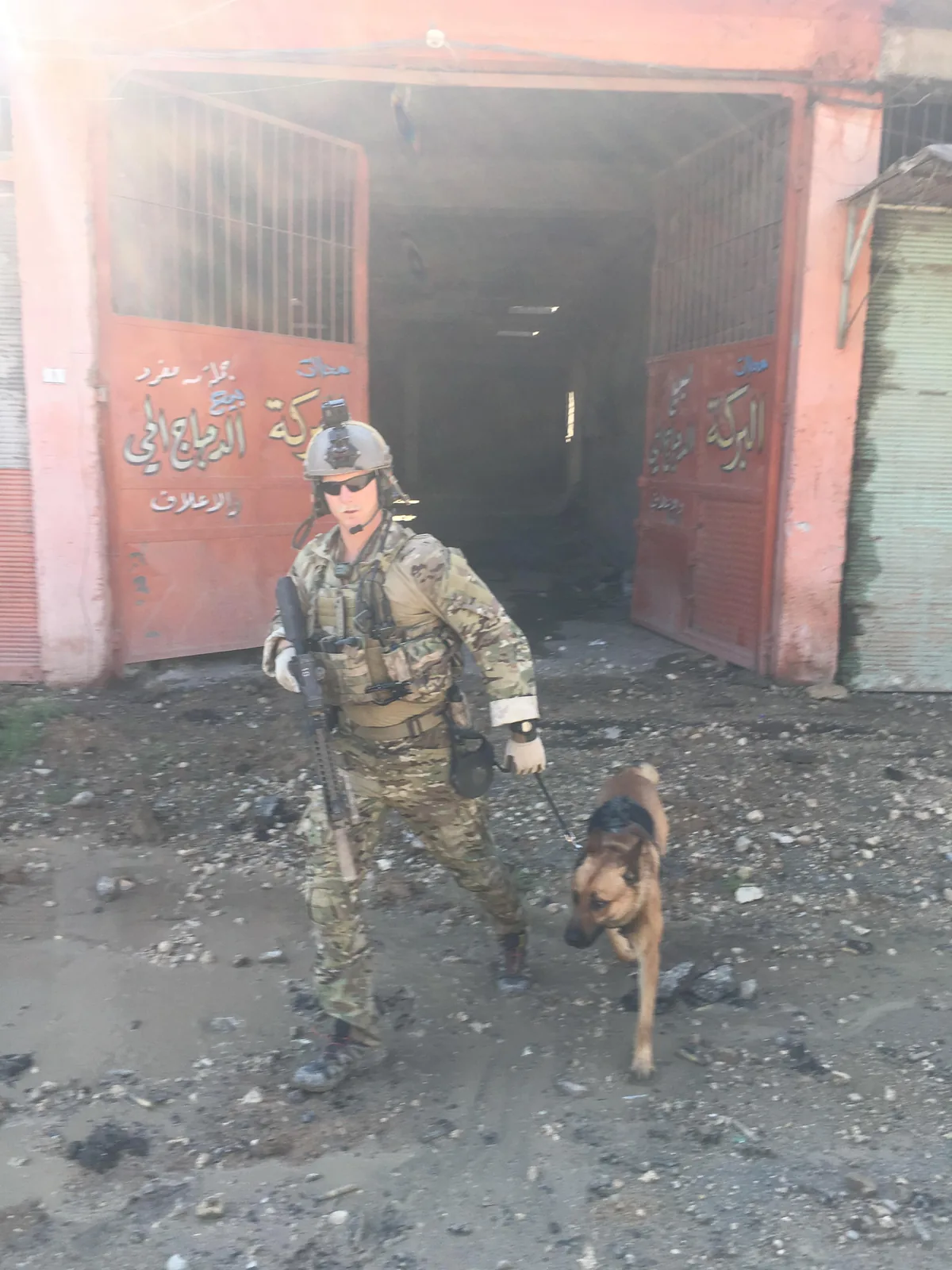
Cory on deployment in Iraq, 2017. The man who holds your night has carried the same weight you carry.
Since 2012, trained in Gabon
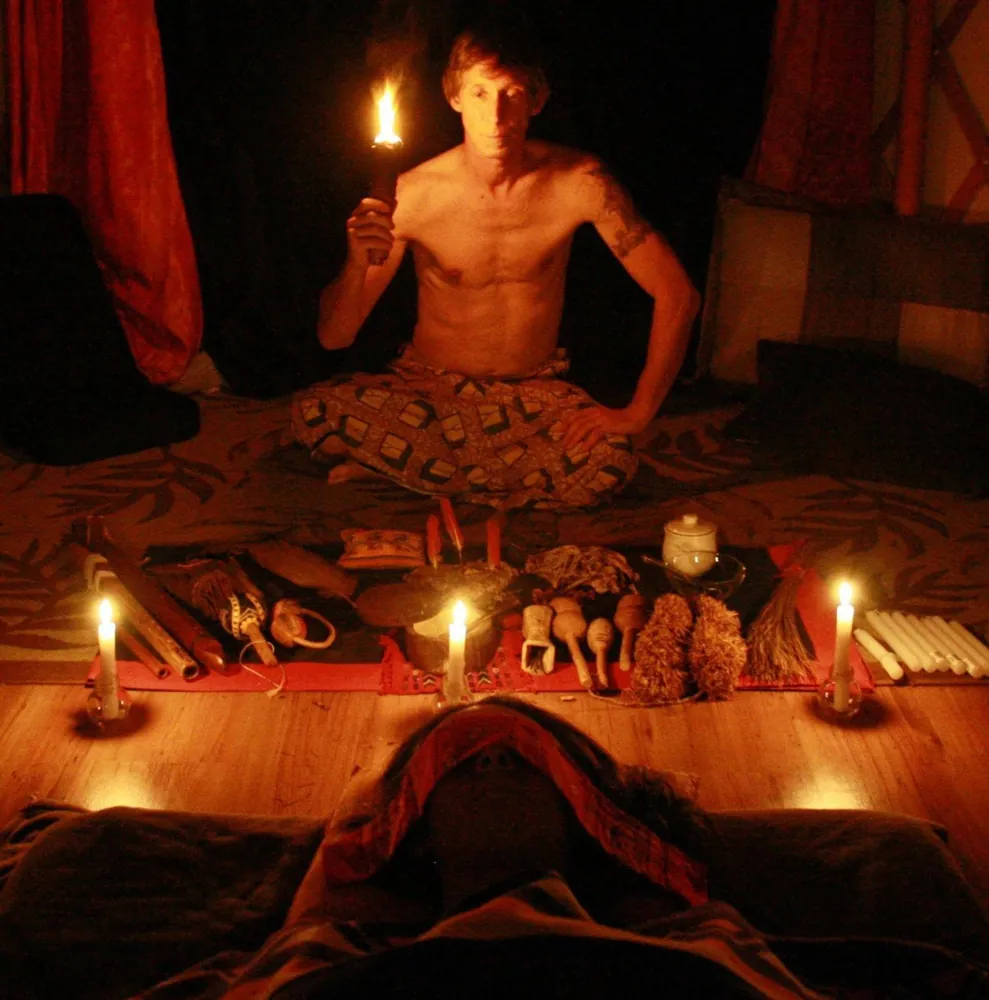
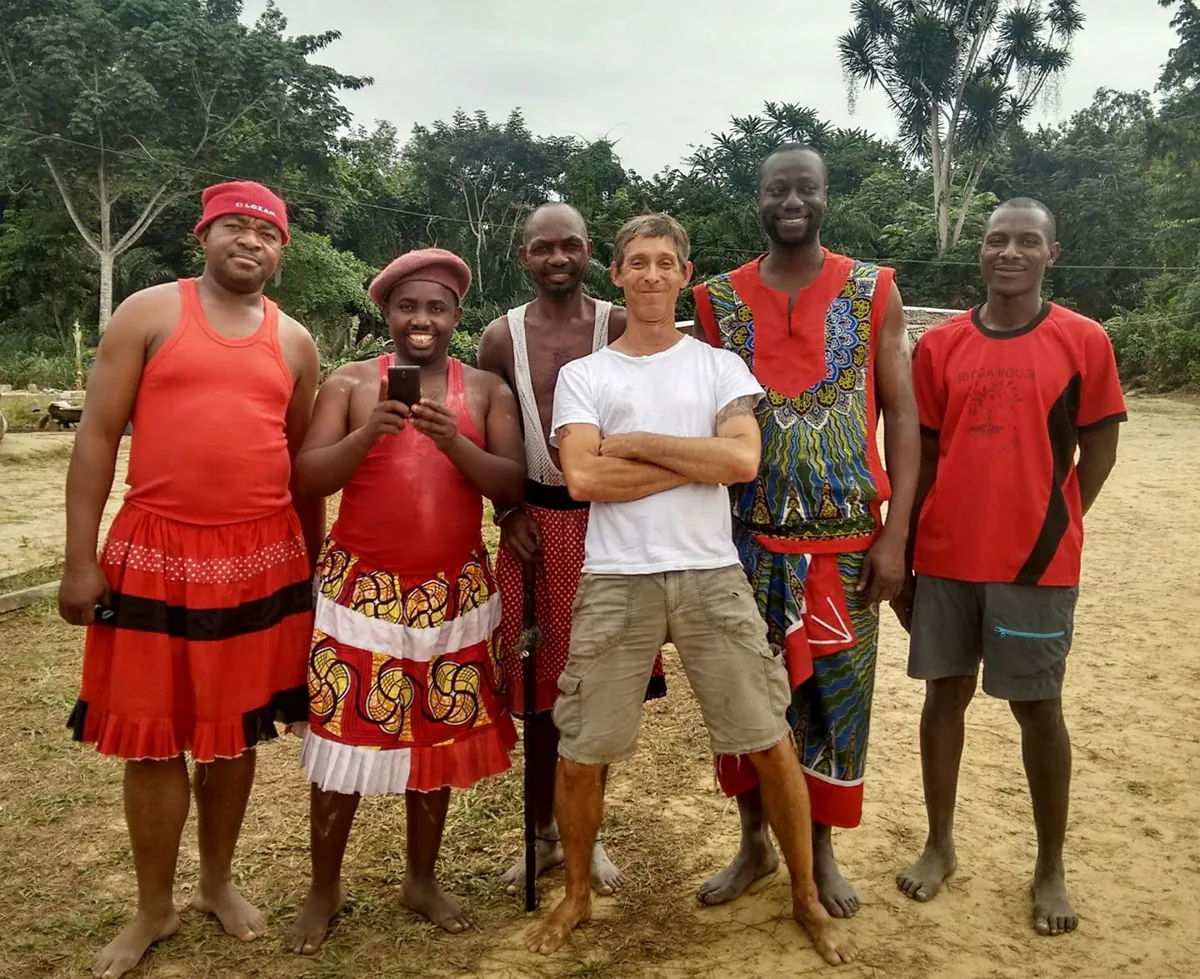
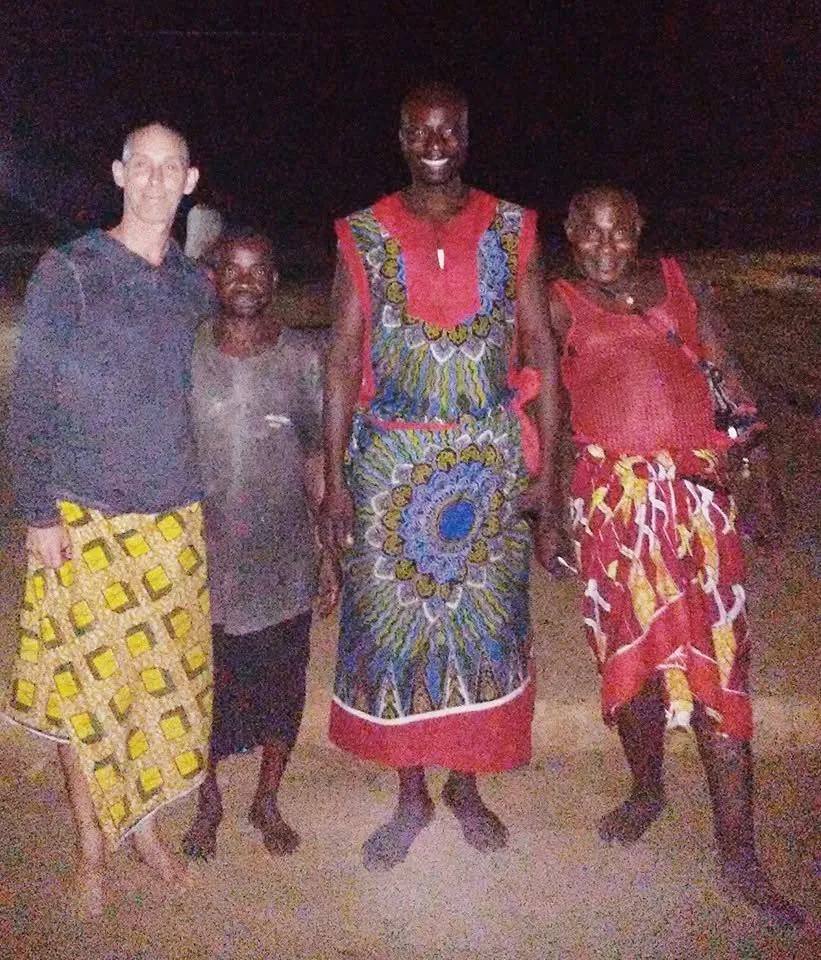
Where they learned
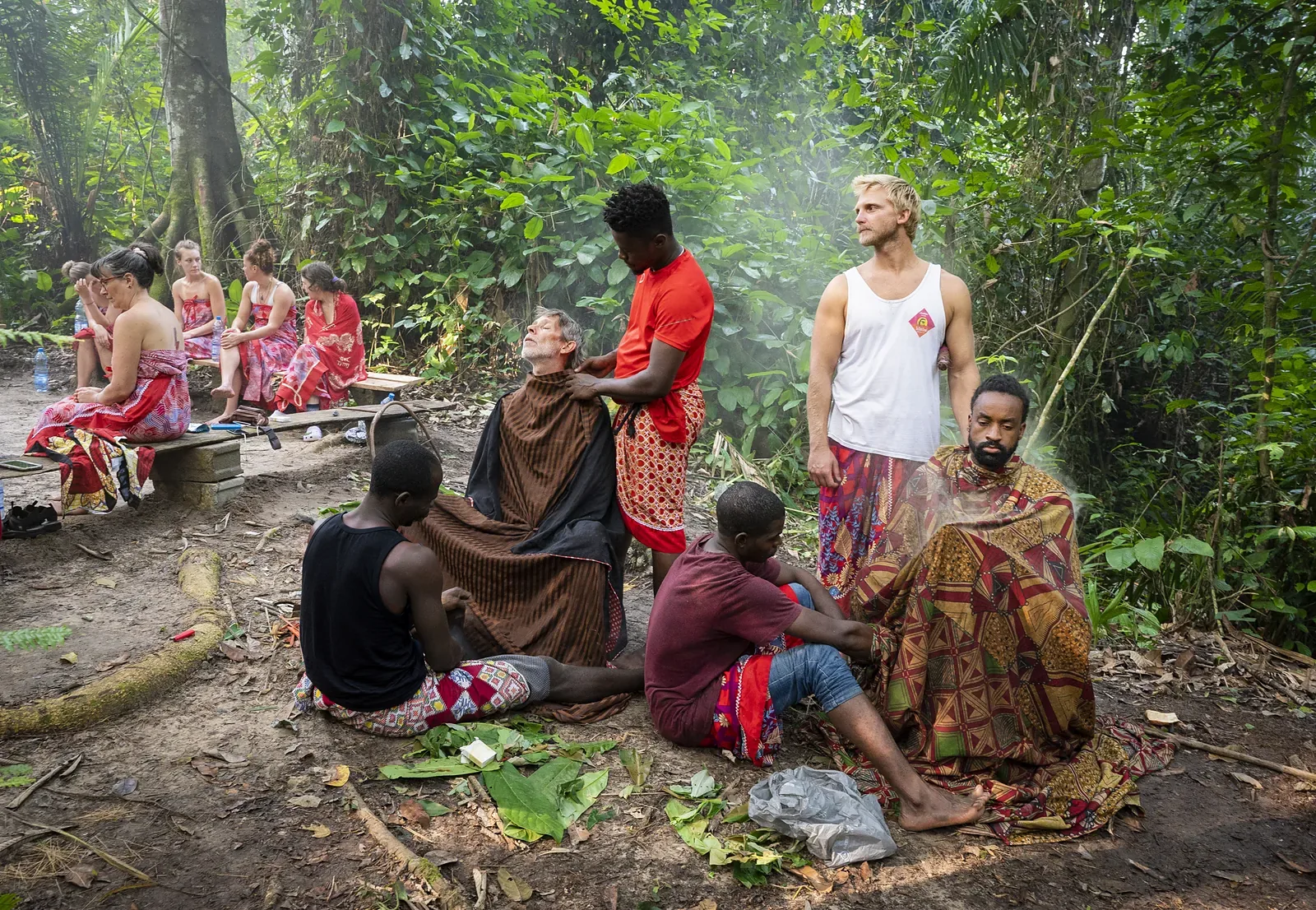
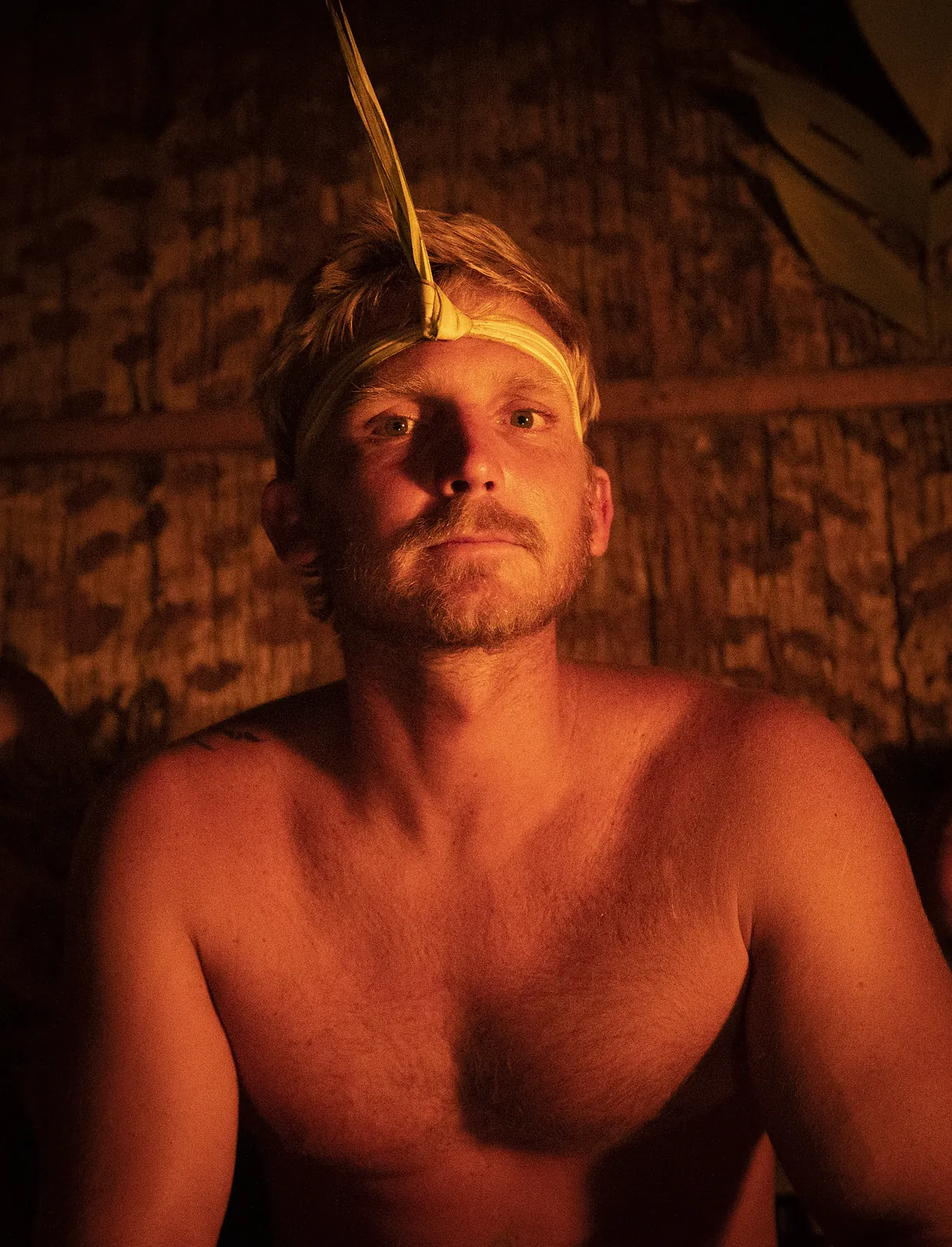
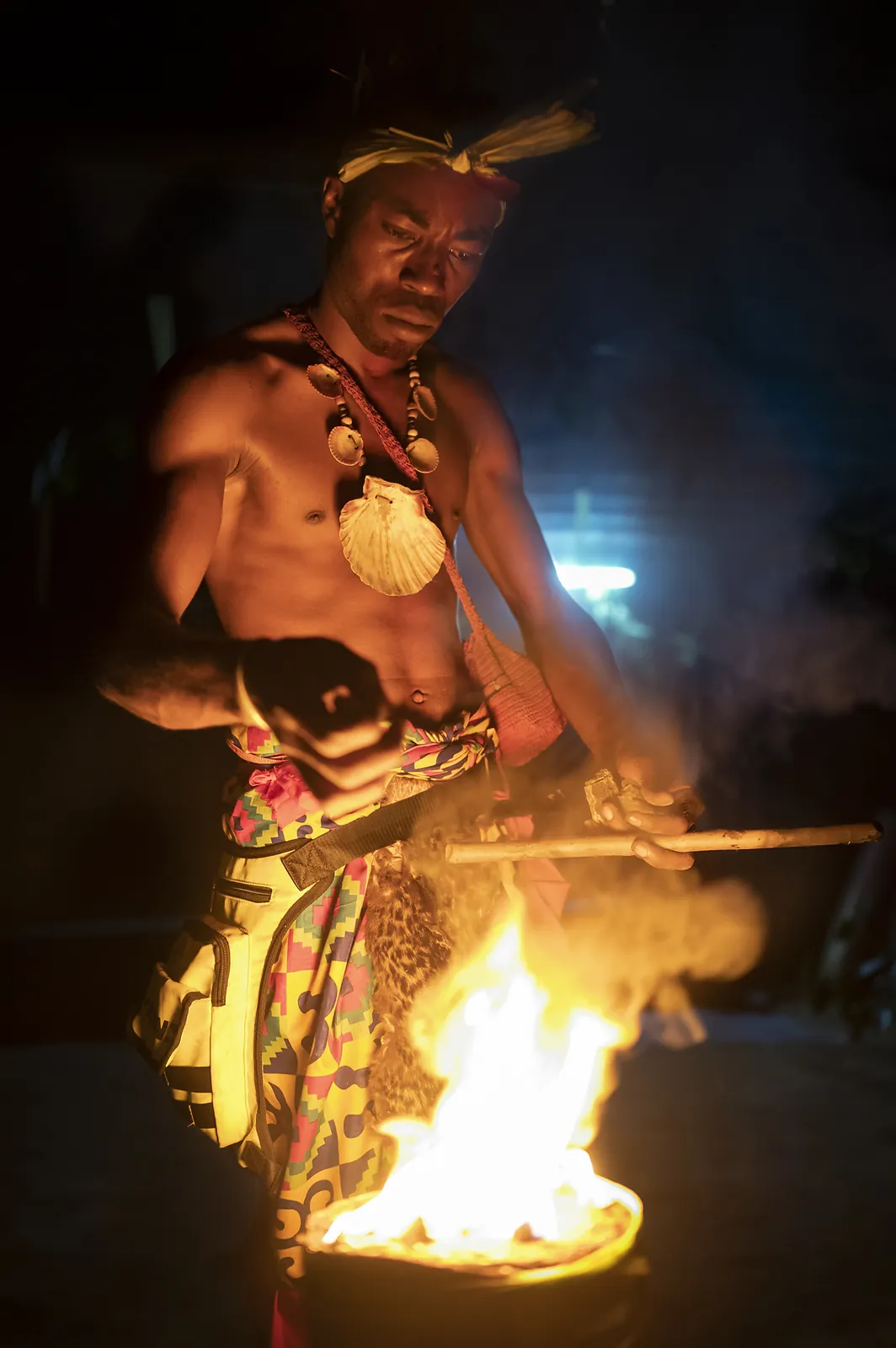
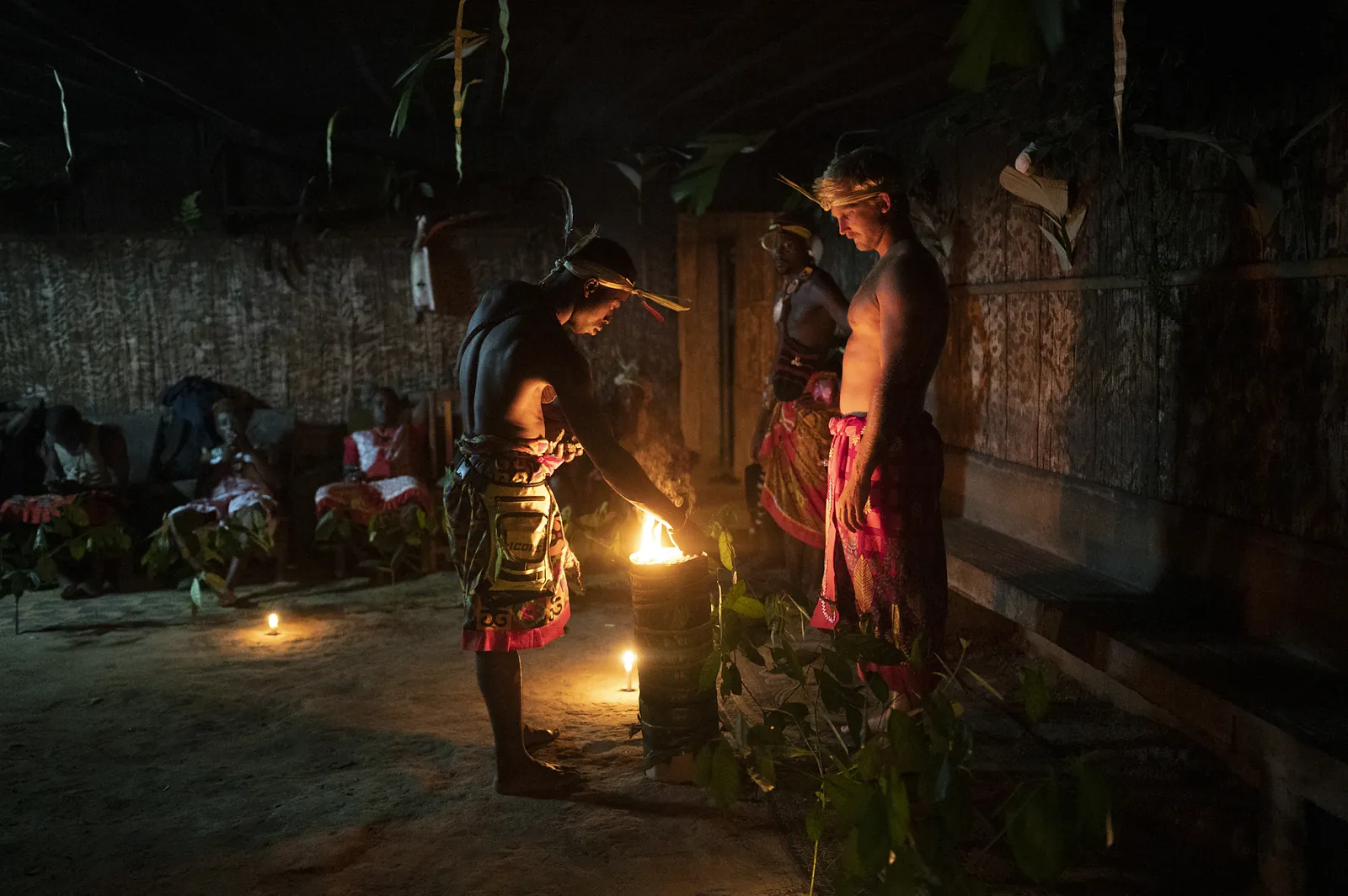
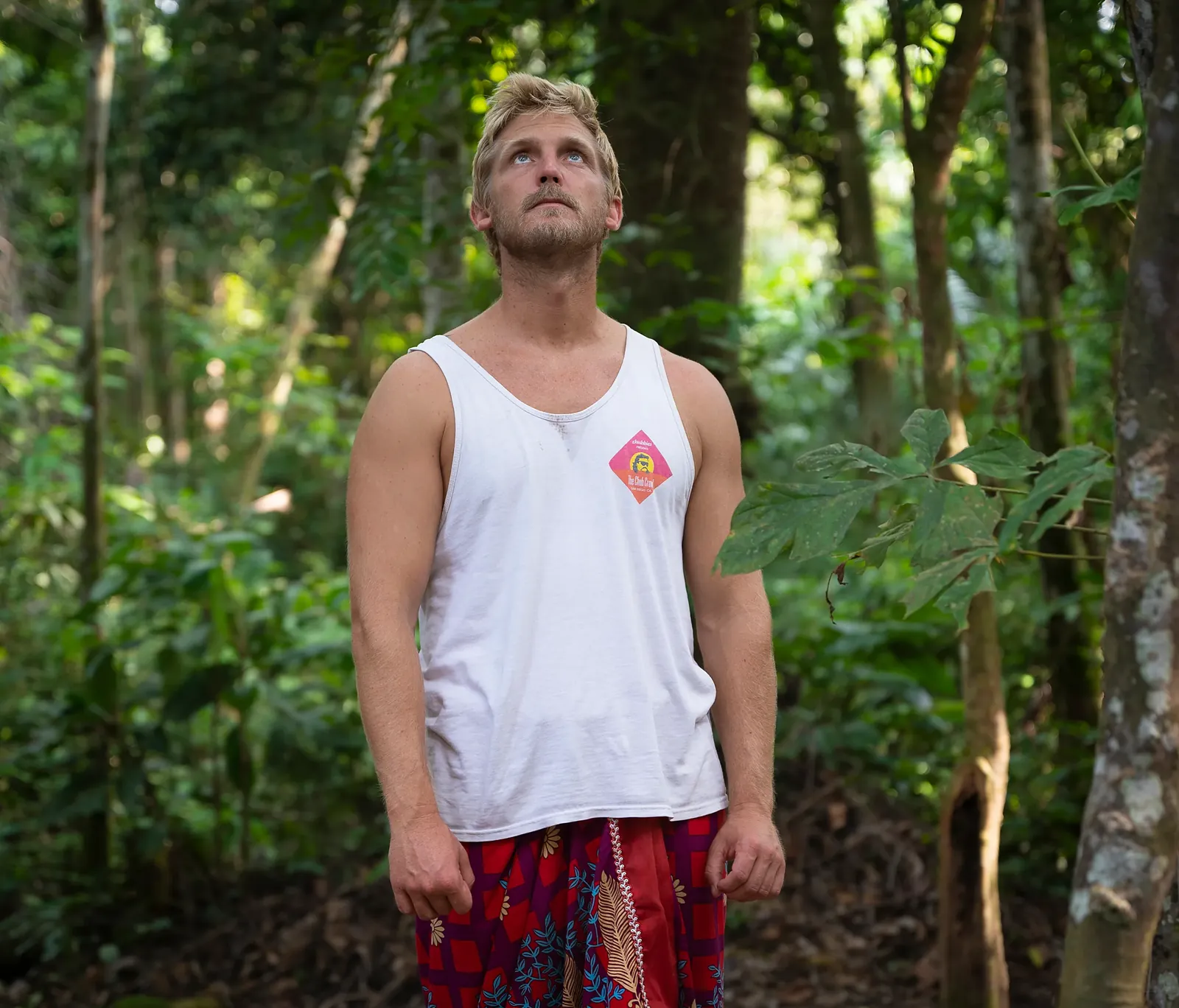
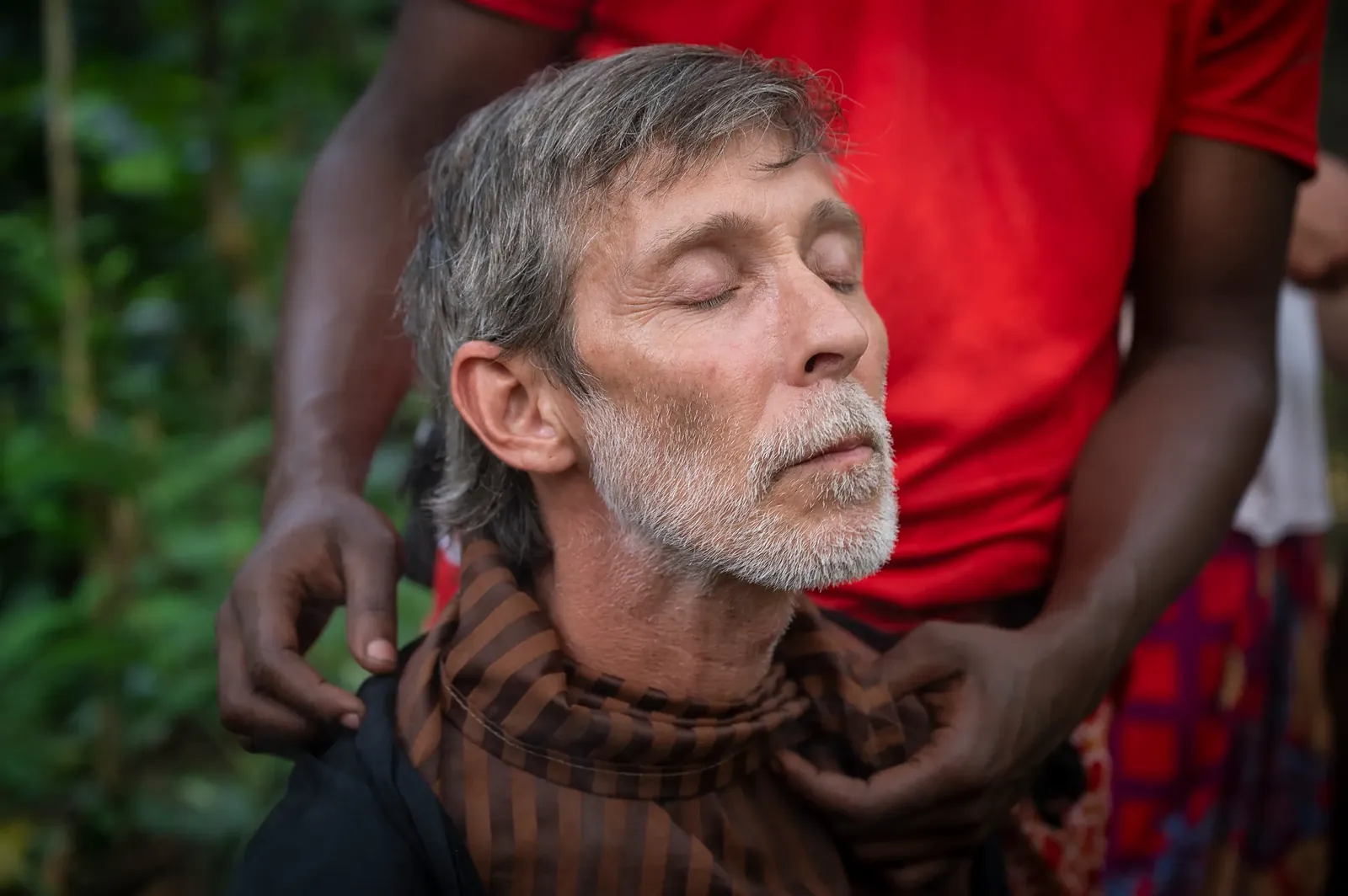
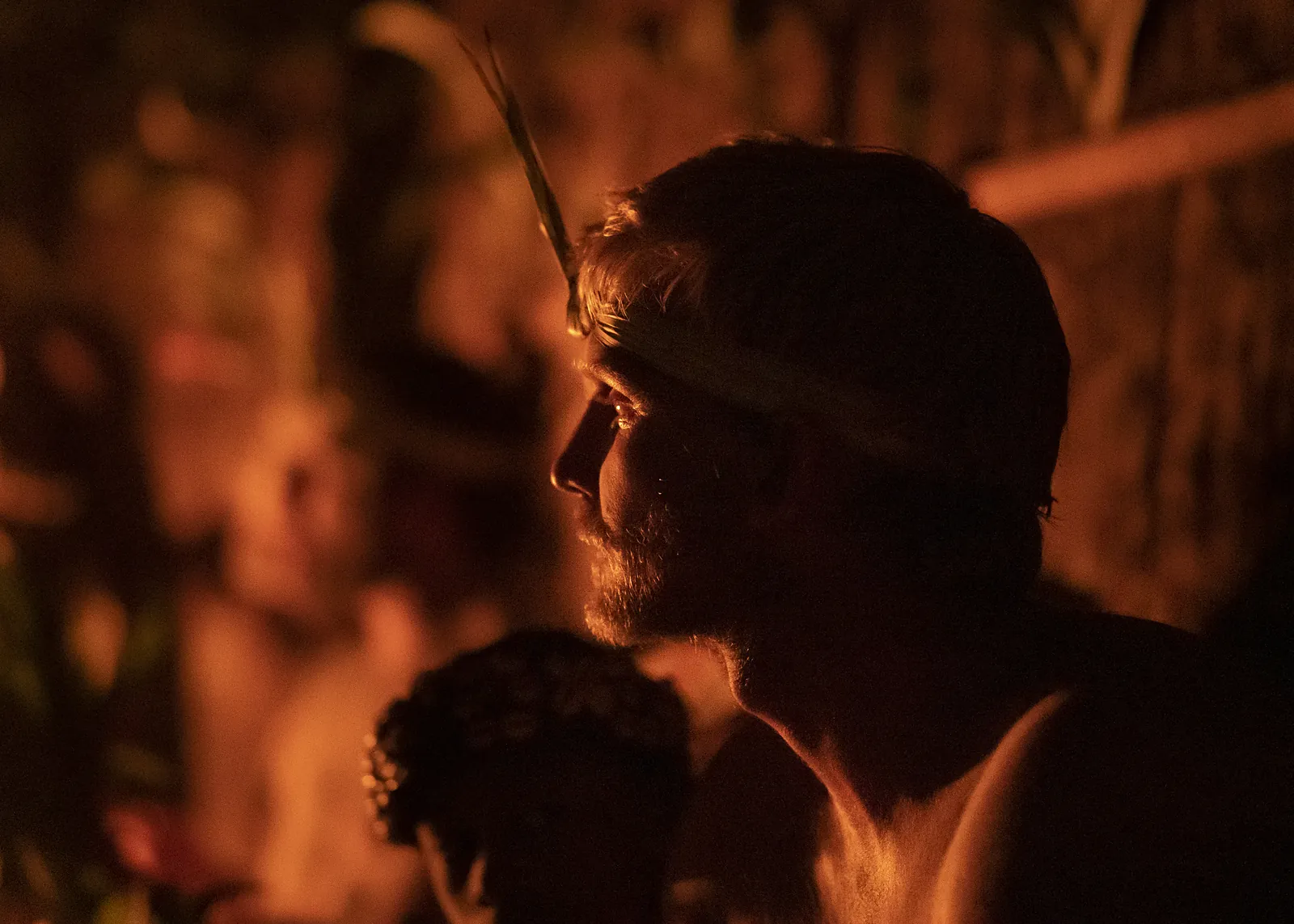
Our practitioners were initiated and trained in the Equatorial Forest of Gabon, at Bwiti House, under Moughenda Mikala, tenth-generation Missoko Bwiti shaman.
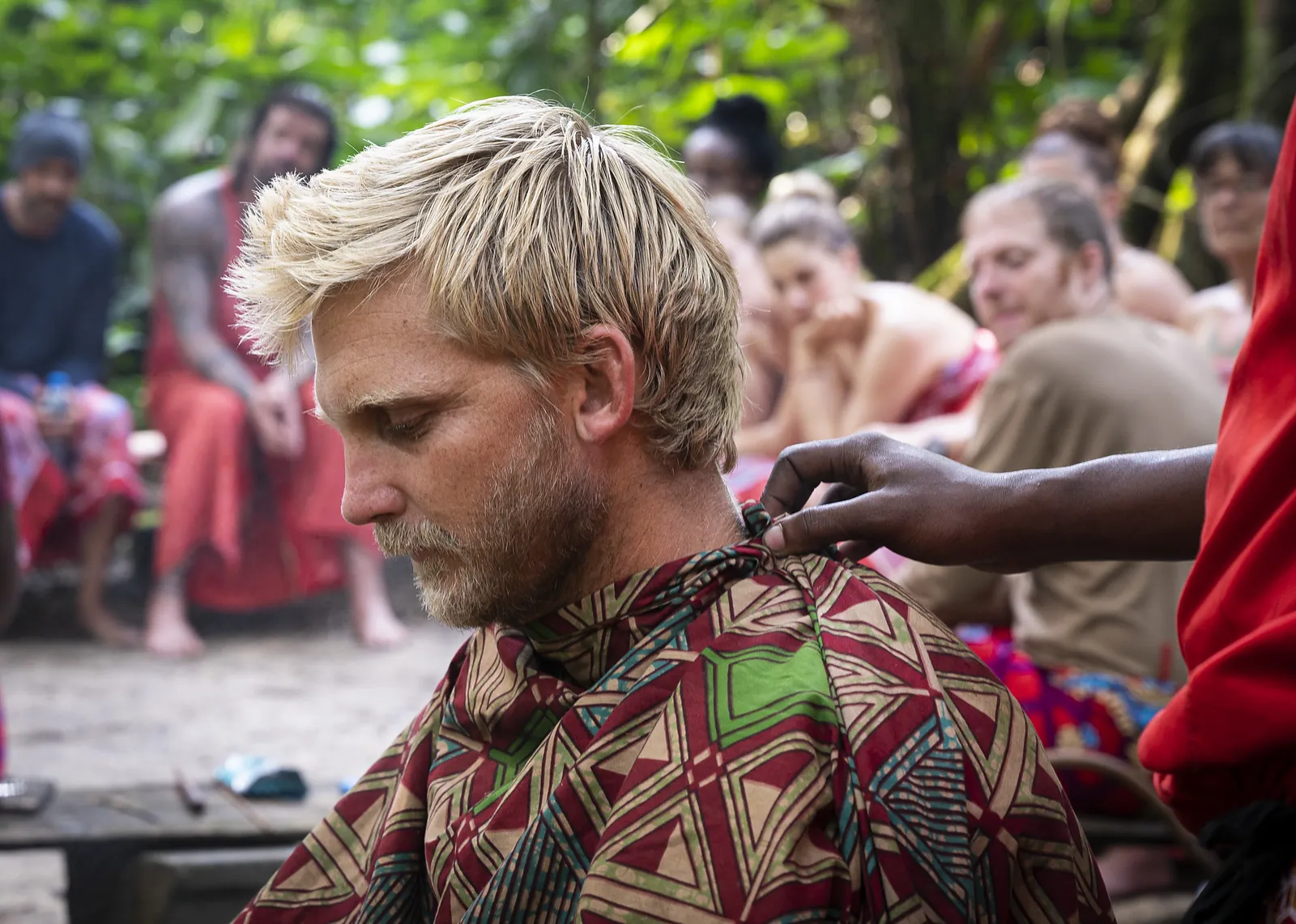
How it unfolds
A discovery call, a medical questionnaire, an ECG review and a medication check with the physician. Some VA prescriptions need a taper; we plan it with your doctor. If it is not safe, we say so.
Airport pick-up in Cancún, your own room in the jungle, vitals and bloodwork review, and the first fire talk with Cory and Michael the same evening.
Two ceremonies over seven days, three over ten, and up to four over fourteen: some guests take three with microdosing, the practitioner decides. Cardiac telemetry, IV access, a physician beside you. Missoko Bwiti Music and sacred Songs accompany the ceremony throughout the night. Between them, a processing day and an integration day at the cenote.
Four calls over three months with the medical team or Tania, more if you need them, your wearable data reviewed, and a living plan for sleep, training, alcohol and the people around you.
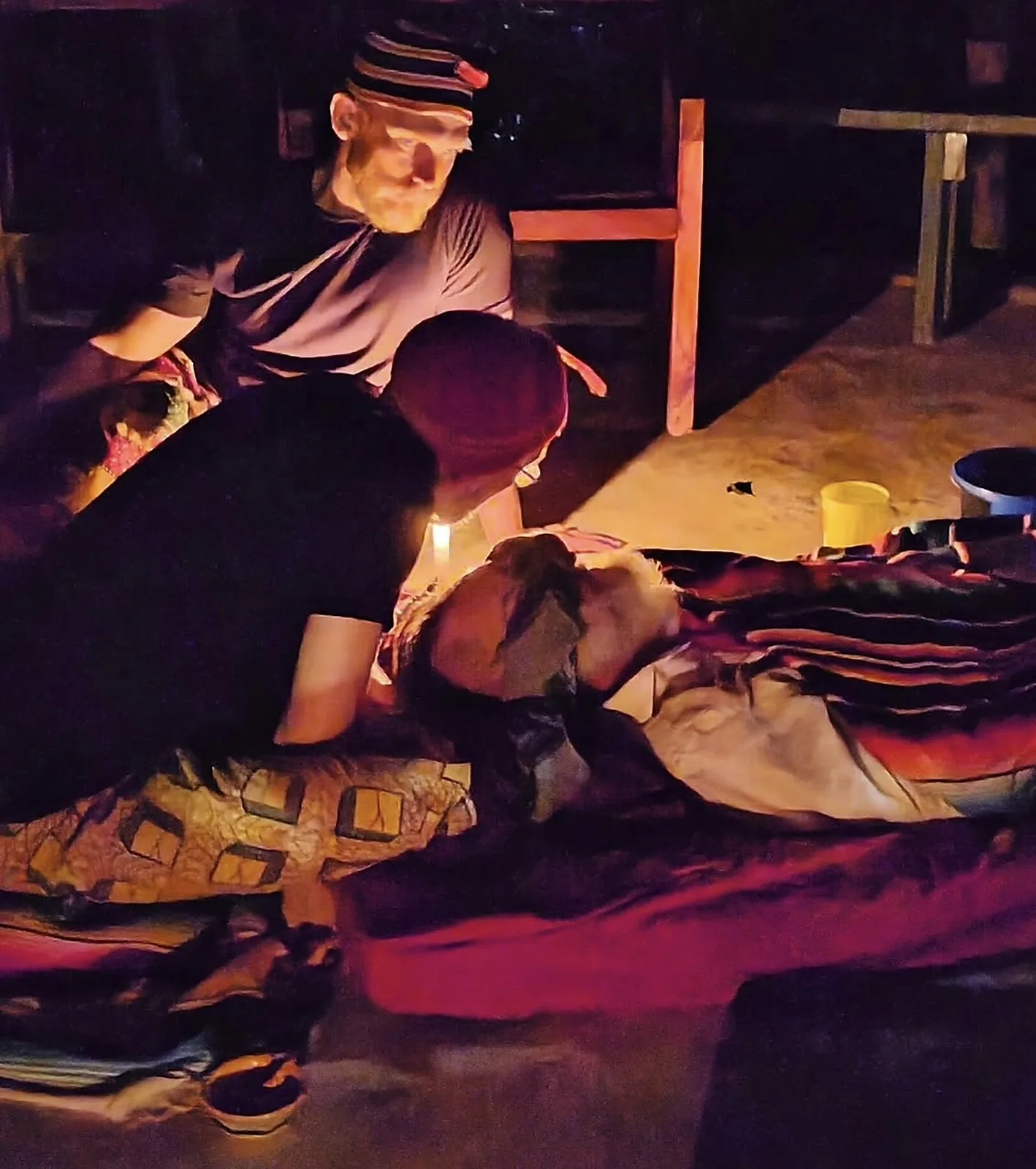
Photographs
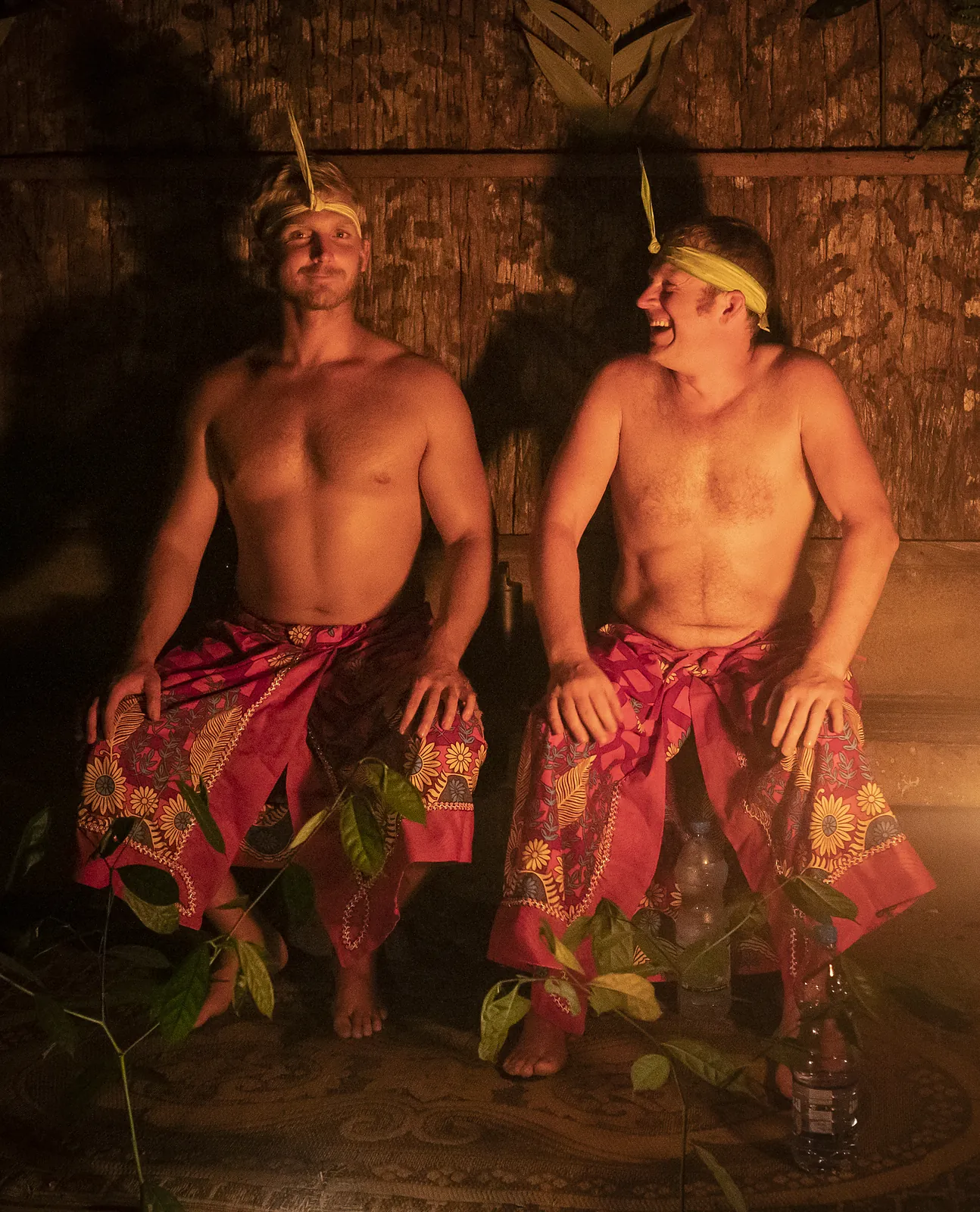
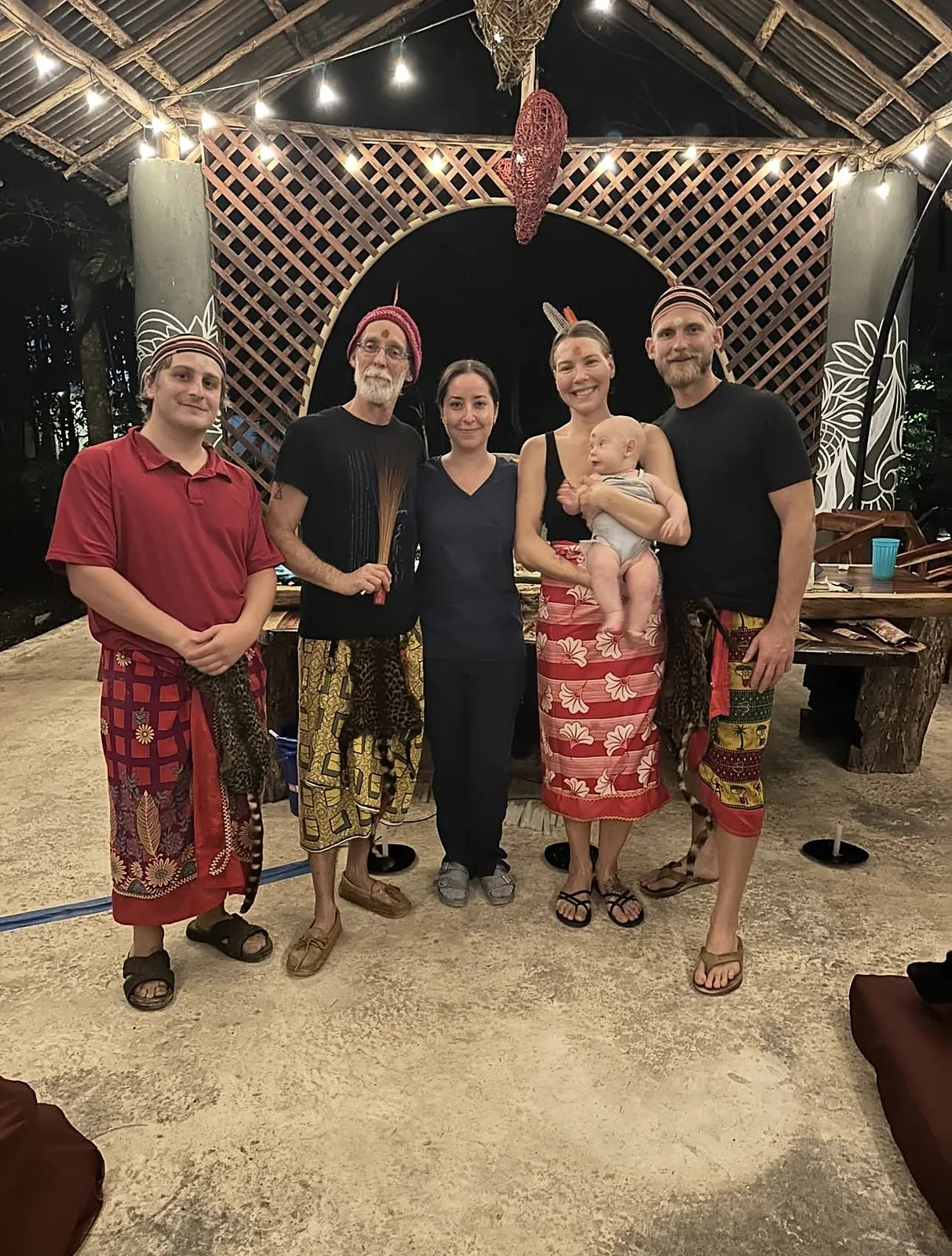
With Michael Cassidy, Bwiti House alumnus (2012), and Cory Poolman, former U.S. Navy SEAL, Bwiti House alumnus (2024).
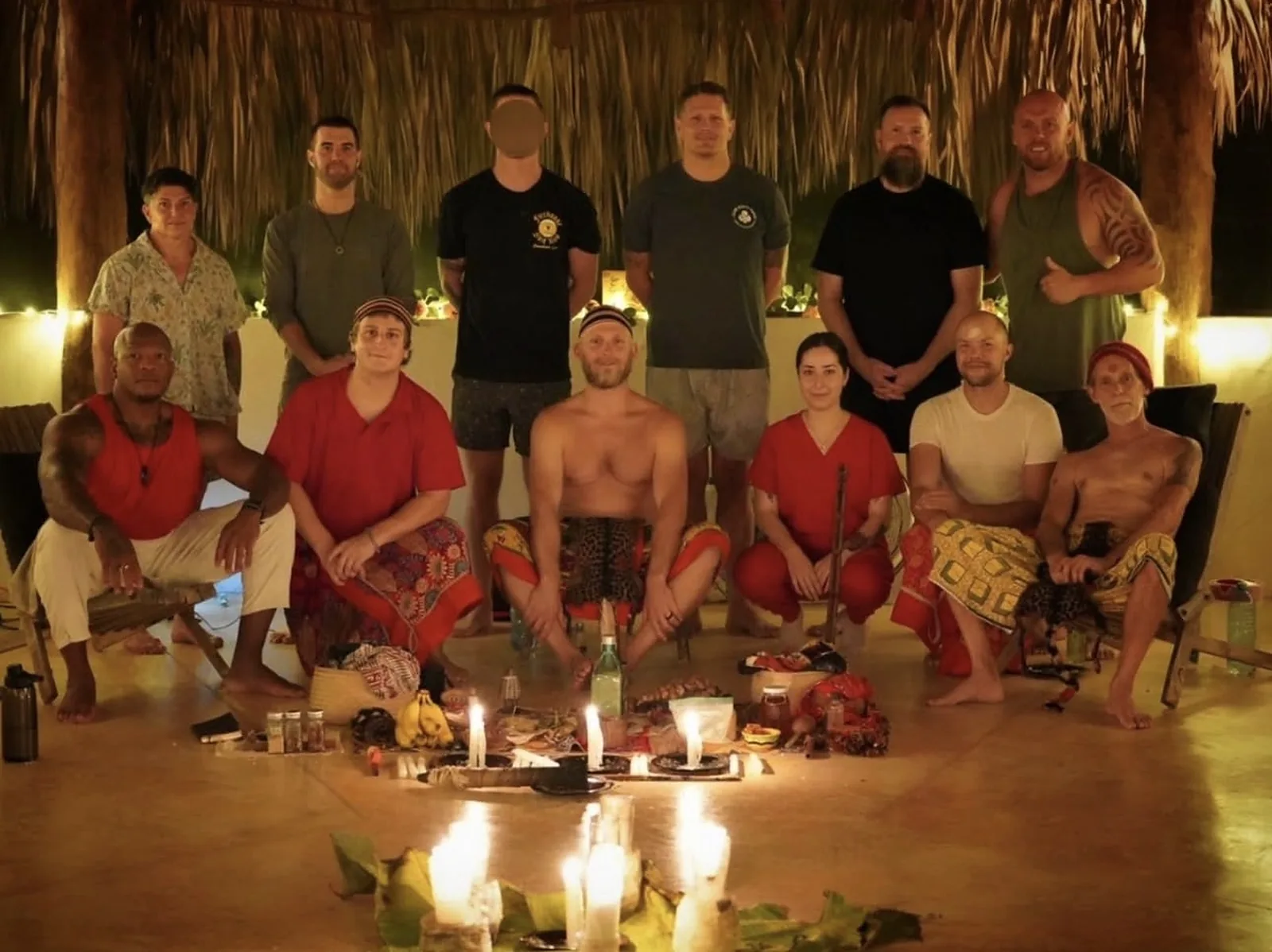
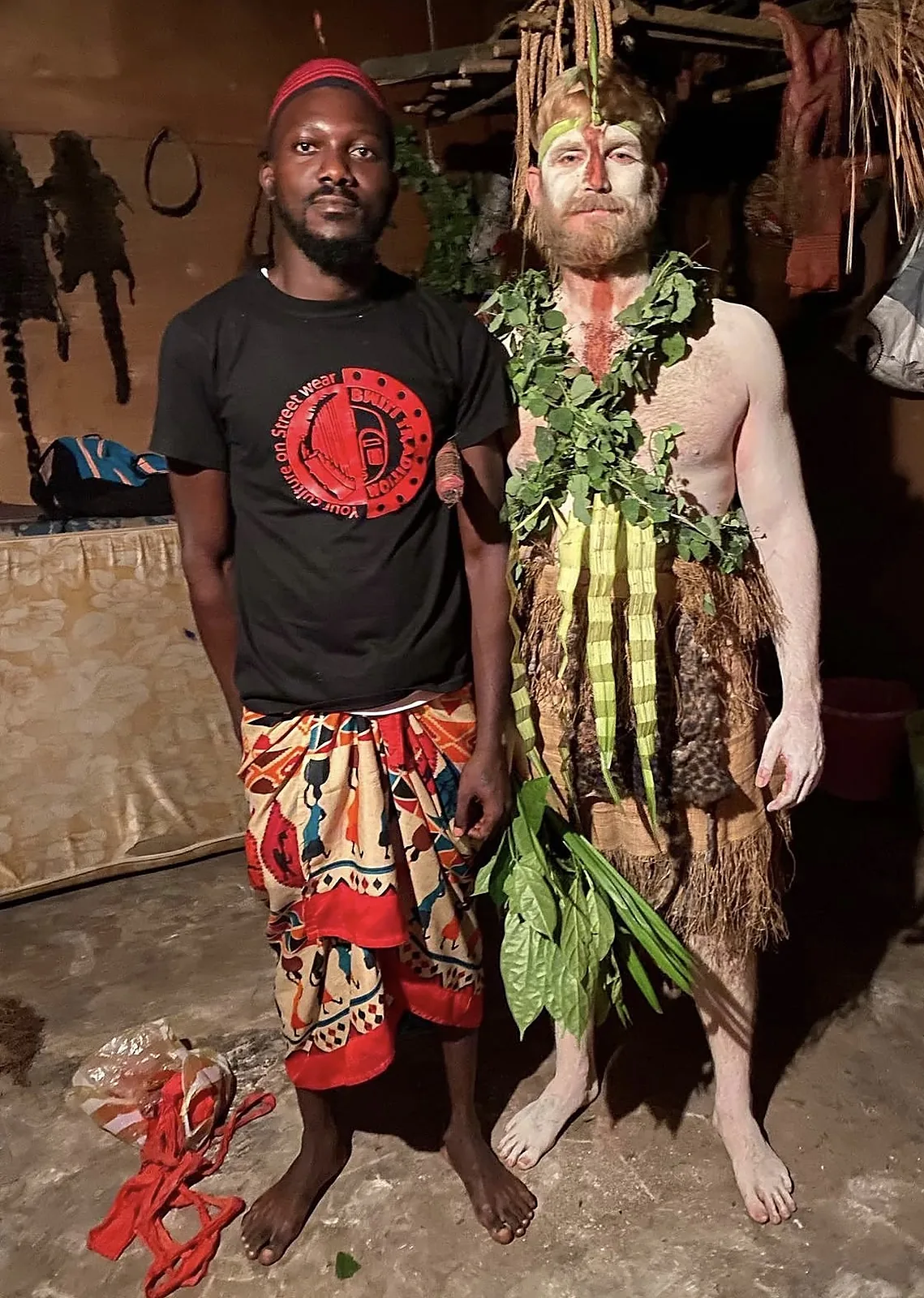
Dates
Groups of eight, all veterans and first responders. Arrival dates below; the seven-, ten- and fourteen-day programs start the same day. Other dates are open to everyone and are listed on the schedule.
We look forward to welcoming you, as you are. Thank you for trusting us with your healing.
Pricing, US dollars
All inclusive from Cancún airport: medical screening, ceremonies, room, meals, three months of follow-up. Apart from the deposit refunded when we cannot clear you, payments are final, see the terms. Full pricing.
Questions veterans ask
Often yes, sometimes with a taper planned in advance with your prescribing doctor and our physician. SSRIs, some sleep medications and most blood-pressure drugs need a review; a few medications are incompatible with iboga and we will tell you which. Send us your list on the discovery call; nothing is decided without the medical team.
Yes. The October, December and April retreats are reserved for veterans and first responders, eight guests maximum. You share the fire circle and the meals with people who understand the vocabulary, and you have your own room.
Iboga affects the heart's rhythm, so every guest is screened first and monitored by a physician all night: how we protect your heart. If the medical team is not comfortable, you do not take the medicine.
No. Iboga is not an approved treatment in the United States, and the retreat is paid privately. Some guests use the VA Community Care network for follow-up therapy at home; we write a summary for your clinician if you want one.
Iboga is not scheduled in Mexico, where the retreat takes place. It is a Schedule I substance in the United States, so nothing about the medicine crosses the border. See the legal note in our guide.

You've carried this long enough. Start with a conversation with our medical team.